
Innovative Arrangements of Plinko Pegs in Modern Gaming
Understanding Sweet Bonanza Volatility A Comprehensive Guide
2 août 2026Exploring the Exciting Details of Sweet Bonanza Reels
2 août 2026
Innovative Arrangements of Plinko Pegs in Modern Gaming
The classic game of Plinko has captivated audiences for decades, providing players with a thrilling blend of chance and strategy. The arrangement of pegs in a Plinko board is crucial to defining the game’s dynamics, influencing not only the outcome but also the overall excitement it delivers. Today, as the gaming industry evolves, so too does the design of Plinko peg arrangements. Many new formats and designs are surfacing, catering to both traditionalists seeking nostalgia and modern players craving innovation. Explore the latest trends and adaptations in Plinko Peg Arrangement In Modern Casinos https://plinko-casino-game.co.nz/ and see how these changes are invigorating the gaming experience.
The Basics of Plinko Peg Arrangements
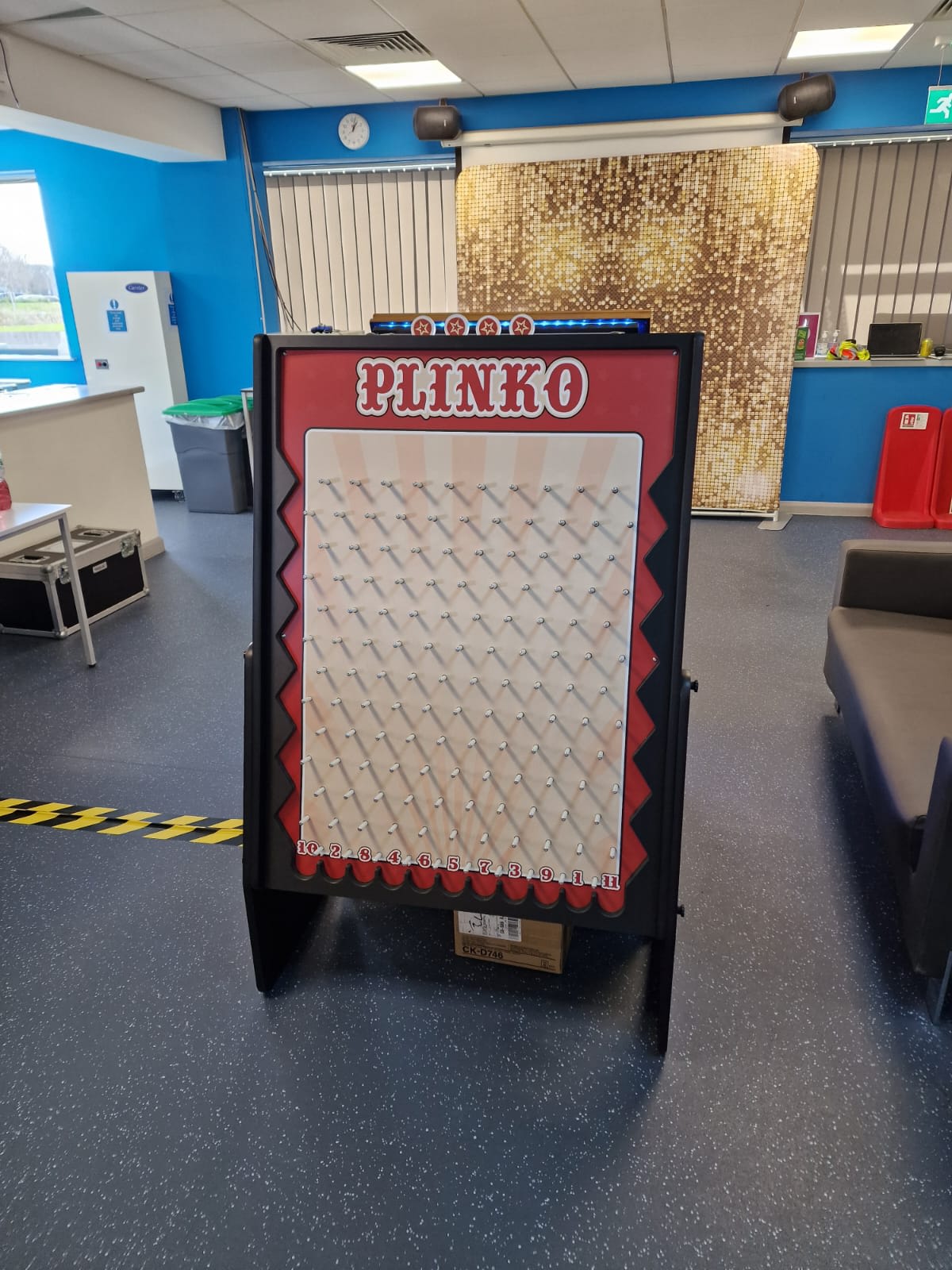
Plinko’s core mechanic involves a player dropping a token down a vertical board filled with pegs. The token bounces off the pegs and eventually lands in a slot at the bottom, determining the player’s score or reward. The arrangement of these pegs, in terms of their spacing and alignment, plays a significant role in the randomness and variability of the game. Traditionally, pegs are placed in a staggered formation, creating a labyrinthine path that forces players to consider the probable trajectories of their tokens.
Modern Trends in Peg Arrangement
With the rise of online gaming and technology integration, modern Plinko boards are experimenting with peg arrangements to keep gameplay fresh and engaging. Here are some trends that have emerged:
1. Variable Peg Heights
One of the most intriguing innovations in peg arrangement is the introduction of pegs at varying heights. Rather than all pegs being uniform, this design allows for dramatic shifts in the token’s path. This randomness adds an element of unpredictability, enhancing the excitement as players watch their tokens navigate the board.
2. Interactive Adjustable Pegs
Modern Plinko games often incorporate features that allow players to adjust the arrangement of pegs during gameplay. This interaction introduces a strategic element, as players can determine how difficult or easy they want their game to be. The ability to modify peg positions in real-time ensures that no two games are exactly the same, increasing replay value.
3. Themed Arrangements
Another contemporary trend is the implementation of themed peg arrangements that correspond with the game’s aesthetic. For example, in a nature-themed Plinko game, pegs could resemble trees or animals, creating a more immersive environment. Themed arrangements not only enhance visual appeal but also make the game more engaging and relatable to players.
The Role of Technology in Peg Arrangement
As gaming technology advances, Plinko boards are increasingly leveraging digital elements to redefine peg arrangements. Online versions of the game can utilize algorithms to create unique peg layouts for each session, ensuring that players encounter different configurations every time. This tech-driven innovation keeps the gameplay fresh and can attract a diverse range of players.
4. Incorporating Augmented Reality (AR)
Augmented reality is beginning to influence how we interact with traditional games. Imagine using a smartphone or AR glasses to view a Plinko board with dynamic peg arrangements that shift and change based on player interactions. Such advancements could allow players to experience a highly personalized gaming journey, adjusting the peg arrangements virtually to meet their preferences.
Psychological Impact of Peg Arrangement on Players
The arrangement of pegs can significantly influence a player’s psychological experience and investment in the game. Studies in game design suggest that varied peg arrangements can enhance player satisfaction by providing an engaging gambling experience that balances the thrill of chance with deeper strategic decision-making.
5. Risk-Reward Dynamics
Different peg configurations can also alter the risk-reward dynamics in Plinko games. A densely packed arrangement may present greater risk, with smaller chances for high rewards, while a more widely spaced setup could cater to players seeking more predictable outcomes. Understanding this relationship allows developers to tailor experiences that resonate with diverse player types, enhancing enjoyment and retention.
Future of Plinko Peg Arrangements
Looking forward, the future of Plinko peg arrangements appears bright. As the lines between traditional gaming formats and innovative technologies blur, we can expect even greater creativity in design. Developers will likely continue exploring new materials, designs, and layouts, informing how players interact with the game and each other.
6. Community Involvement
Another exciting prospect is involving the gaming community in the peg arrangement design process. Online platforms can allow users to submit their designs and vote on popular configurations. This engagement would not only foster a sense of community but also promote user-generated content, leading to an ever-evolving game.
Conclusion
In conclusion, the arrangement of Plinko pegs is more than just a design choice; it’s a pivotal aspect that informs the entire gaming experience. As the industry continues to embrace innovation, we can expect peg arrangements to evolve, offering players unprecedented opportunities for interaction and strategic decision-making. The developments in modern gaming are exciting, as they invite players into new realms of entertainment while maintaining the classic charm that makes Plinko a beloved game for many.
