
Dividend payment: Cash or Stock: The Choice Behind Dividend Payments
Как отменить подписку на pure на айфоне
28 mai 2021How To Get Race V2 in Roblox Blox Fruits
29 septembre 2021
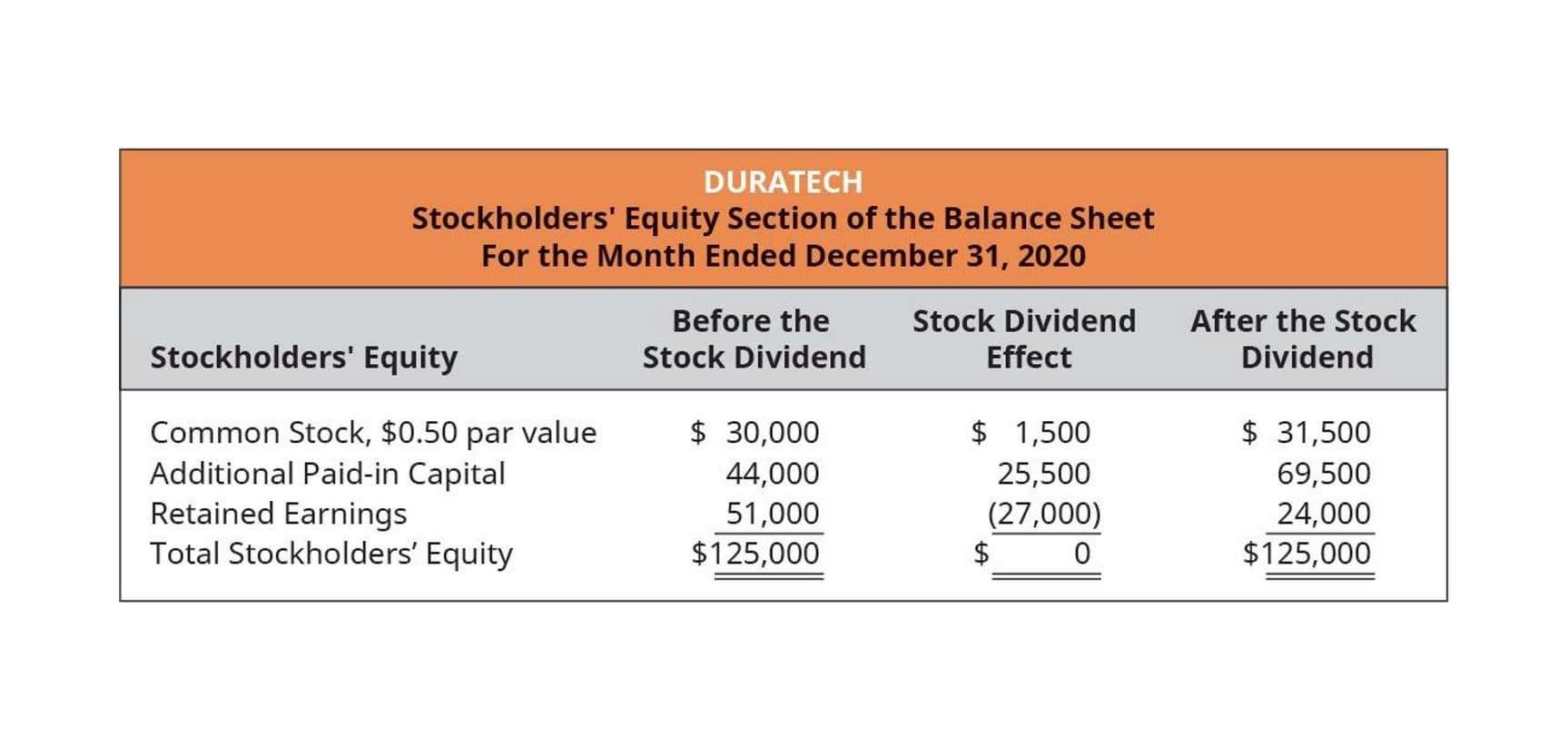
For example, Google did this in 2014 when they gave all of their Class A shareholders one class C https://www.bookstime.com/articles/stock-splits-and-stock-dividends share for every Class A that they owned. Saving is generally seen as preferable for investors with short-term financial goals, a low risk tolerance, or those in need of an emergency fund. Investing may be the best option for people who already have a rainy-day fund and are focused on longer-term financial goals or those who have a higher risk tolerance. Despite that, companies pay dividends because it increases the reputation and goodwill of the brand. Thus, the net effect of a stock dividend is a reduction in retained earnings and an increase in common stock.
When are cash dividends paid?
When it comes to dividend payments, investors are often faced both cash dividends and stock dividends with the decision of whether to receive cash or stock. Throughout this blog series, we have explored the various factors to consider when making this choice. Decision factors include cash reserves, company health, and growth plans. Those saving cash for other uses might prefer stock dividends, balancing shareholder rewards with growth funding. Research, including studies by DeAngelo and DeAngelo and Ferris, Jayaraman, and Sabherwal, shows dividends’ big impact. How a company handles its dividends can greatly affect its value.
Growth vs. Income

Instead of receiving cash and subsequently buying additional shares, investors can automatically reinvest the stock dividends into more shares of the company. This allows for compounding returns over time, as the reinvested dividends generate additional dividends in the future. For instance, if a company pays a 5% stock dividend and an investor holds 100 shares, they would receive 5 additional shares.
- As most investors expect a consistent stream of income, they prefer cash dividends.
- They can choose to keep the newly received shares for the long term.
- Picture yourself as an investor with 2,000 shares of a well-established company.
- Analyzing a company’s dividend yield and payout ratio helps investors assess dividend sustainability.
- One of the key advantages of stock dividends is the opportunity to increase the ownership stake in a company.
Immediate Financial Rewards and Their Tax Implications

Paying dividends through cash works well for companies when they have sufficient reserves and do not have plans of investing the entire profit into the firm’s growth. Conversely, in cases where companies want to reinvest profits back into the business, the concept of stock dividend works better. A cash dividend, as the name suggests, is a dividend paid out in cash. It could either be physical cash or electronic cash (Cheque/bank transfer). So, they give up on the opportunity to reinvest profits back for business expansion. Once this figure is calculated, it’s debited from the retained earnings account and credited to the common stock account.
- A cash dividend is a payment made by a company out of its earnings to investors in the form of cash (check or electronic transfer).
- P&G recognizes that different investors have varying preferences and needs.
- Cash dividends are portions of a company’s earnings paid to shareholders.
- Dividends are a way that companies and mutual funds transfer profits to shareholders, rewarding them for their investment.
- It means they can reap the rewards of capital gains in the long run.
For example, some of them are paid out on a regular basis, with monthly, quarterly, and annually being very common. In contrast, others are paid out on bookkeeping special occasions, which is why they are called special dividends. Thanks to this, interested individuals should remember that cash refers to what is being paid out and nothing but what is being paid out, meaning that they shouldn’t lose sight of the rest. Usually, there is a lock-in period for stocks that are received through dividends.
- Knowing about dividend yields and growth is key in building a strong investment strategy for now and the future.
- However, a stock dividend means that the same value is now represented by an increased number of outstanding shares than before.
- The existence of a fiduciary duty does not prevent the rise of potential conflicts of interest.
- Beginning period retained earnings are the previous accounting period’s retained earnings carried over to the current accounting period.
- By offering a blend of ownership growth and tax perks, they’re crucial.
- 2 Cash dividends Cash dividends can signal that the company is confident about its profitability and stability, or that it wants to reward its loyal shareholders.
The cash portion of the dividend is expressed in cents or dollars per share owned, and the stock portion is expressed as a percentage of the number of shares owned. This direct transfer of money to your account is called a cash dividend. It provides immediate income and is often favoured by investors who rely on steady returns. However, that would incur additional interest costs on top of the dividend issuing costs.
