
Understanding the psychological triggers behind gambling behavior
Qualsivoglia volte migliori onorario in assenza di punto scommesse
20 avril 2026Tendencias futuras en la industria del casino que debes conocer
20 avril 2026Understanding the psychological triggers behind gambling behavior
The Allure of Risk and Uncertainty
The thrill of gambling is deeply rooted in the human psyche, where the allure of risk and uncertainty becomes a potent psychological trigger. This sensation is driven by an inherent desire for excitement and the adrenaline rush that accompanies taking risks. Many individuals are attracted to gambling not solely for monetary gain but for the emotional high it produces. This feeling of excitement can lead to repetitive gambling behavior, as players seek to replicate that initial rush, often ignoring the underlying risks involved. It is interesting to note that players can enjoy a great variety of games, such as those found at the Tooniebet licensed casino, which contributes to the excitement.
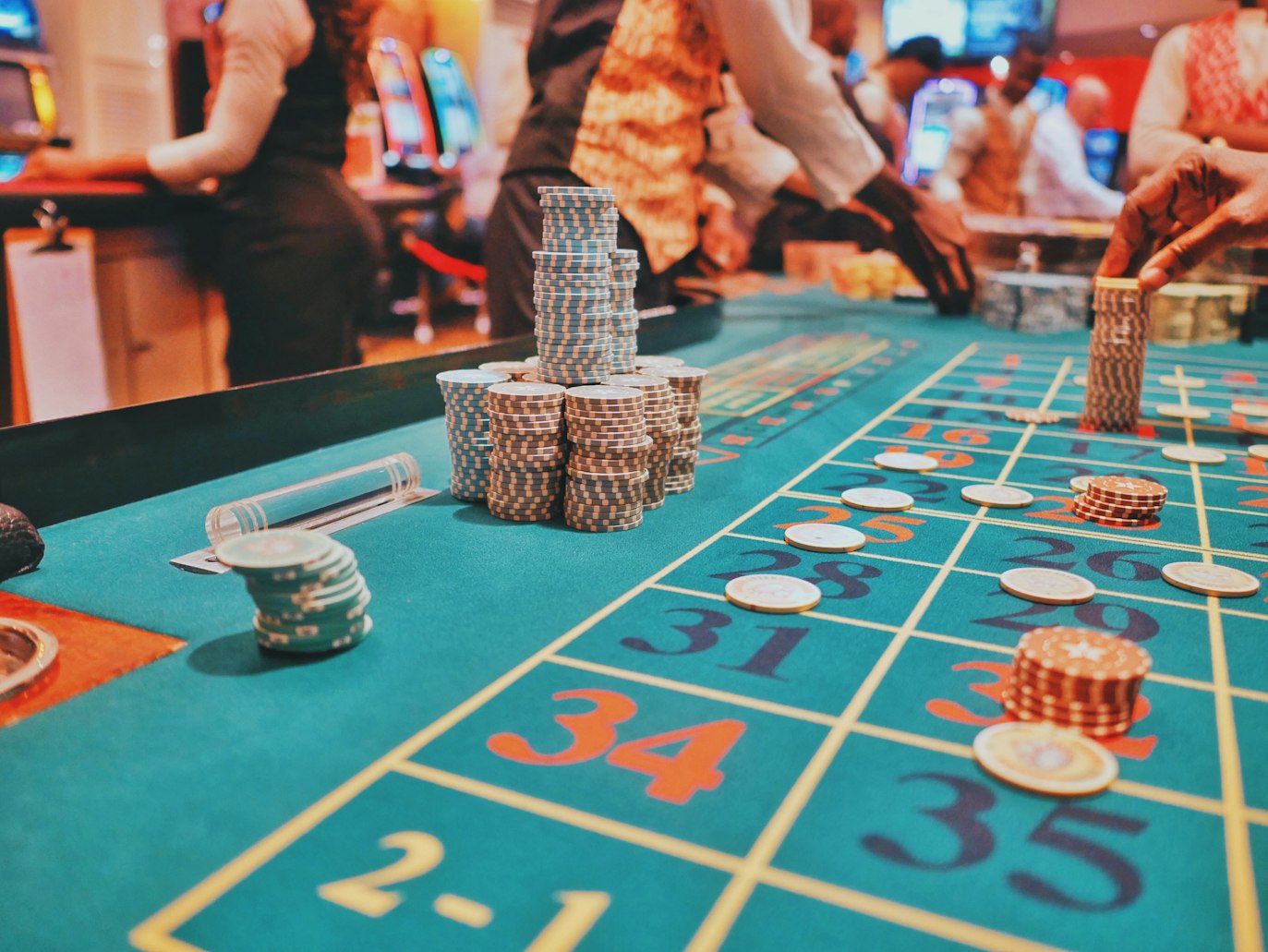
Additionally, uncertainty plays a crucial role in the appeal of gambling. The unpredictability of the outcome creates a scenario where individuals can daydream about potential wins, which can be compellingly addictive. For instance, when a player spins a slot machine, the anticipation of a win, even when statistically unlikely, can be exhilarating. This anticipation releases dopamine, a neurotransmitter associated with pleasure and reward, further reinforcing the cycle of gambling behavior.
Moreover, the psychological impact of risk-taking is enhanced by social influences and the glamorization of gambling in media. Movies, advertisements, and even celebrity endorsements depict gambling as a glamorous and exhilarating pastime. This representation can skew an individual’s perception of gambling, leading them to underestimate the risks involved. As a result, they may engage in gambling more frequently, driven by the thrill that comes from high stakes and the notion of beating the odds.
The Role of Cognitive Biases
Cognitive biases are psychological shortcuts that lead individuals to make irrational decisions. In the context of gambling, biases such as the illusion of control and gambler’s fallacy can significantly influence behavior. The illusion of control occurs when individuals believe they can affect the outcome of a game of chance, such as assuming that their skills can alter results in games like poker. This misguided belief can cause players to gamble more than they should, convinced that they have an edge over luck.
The gambler’s fallacy is another cognitive bias that can lead to poor decision-making. It is the belief that past events influence future outcomes in a random scenario, such as thinking a losing streak must be followed by a win. This misconception can cause individuals to chase losses, often leading to increased financial risk and, ultimately, more significant losses. Understanding these cognitive biases is crucial for recognizing how they contribute to compulsive gambling behaviors.
Furthermore, individuals often rationalize their gambling behavior through these biases, convincing themselves that they are making sound decisions. This rationalization can create a dangerous feedback loop where players continuously engage in gambling, dismissing any negative outcomes. By failing to recognize the role of cognitive biases in their decision-making, individuals can become trapped in a cycle of gambling, escalating the risk of addiction and financial hardship.
The Impact of Emotional States
Emotions significantly influence gambling behavior, often acting as powerful triggers for engagement in gambling activities. For many, gambling serves as a coping mechanism for stress, anxiety, or depression. The temporary escape that gambling provides can create an emotional high that individuals may seek repeatedly, reinforcing gambling as a go-to strategy during difficult emotional times. This reliance on gambling for emotional relief can lead to compulsive behaviors over time.
Moreover, the highs and lows of gambling can mirror emotional states. Winning can produce feelings of joy and euphoria, while losses can lead to disappointment and frustration. This emotional rollercoaster can compel individuals to gamble again, hoping to recreate the positive emotions associated with winning. The intense emotional responses tied to gambling outcomes can further entrench individuals in their gambling habits, blurring the line between recreation and compulsion.
Additionally, social and environmental factors can exacerbate these emotional triggers. Social settings where gambling is prevalent, such as casinos or online gaming platforms, can heighten the emotional stakes. When surrounded by others who are also gambling, individuals may feel pressured to engage, increasing the likelihood of impulsive decisions driven by social interactions. Recognizing the connection between emotional states and gambling can be crucial for individuals seeking to understand their behavior and make informed choices.
The Social Environment and Peer Influence
The social environment plays a pivotal role in shaping gambling behavior, particularly through peer influence. Social interactions can create a sense of belonging that encourages individuals to gamble, especially in group settings. When friends or family members engage in gambling, individuals may feel compelled to join in, viewing it as a shared activity that fosters camaraderie. This social pressure can lead to increased gambling frequency and, in some cases, can even normalize excessive gambling behavior.
Additionally, the role of social media cannot be overlooked in today’s digital age. The rise of online gambling platforms has made it easier for individuals to connect with peers and share their experiences. This sharing can create a perception that gambling is a common and socially acceptable practice. Furthermore, seeing friends or influencers celebrate wins can exacerbate the desire to gamble, promoting the notion that gambling leads to fun and social rewards, thereby encouraging more frequent engagement.
Moreover, gambling communities can create an environment where individuals share strategies, tips, and experiences, further reinforcing gambling behavior. This sense of community can be alluring, drawing individuals deeper into the world of gambling. As they become more entrenched in these networks, the risks associated with gambling may become minimized in their perception, leading to increased participation and, potentially, gambling addiction.
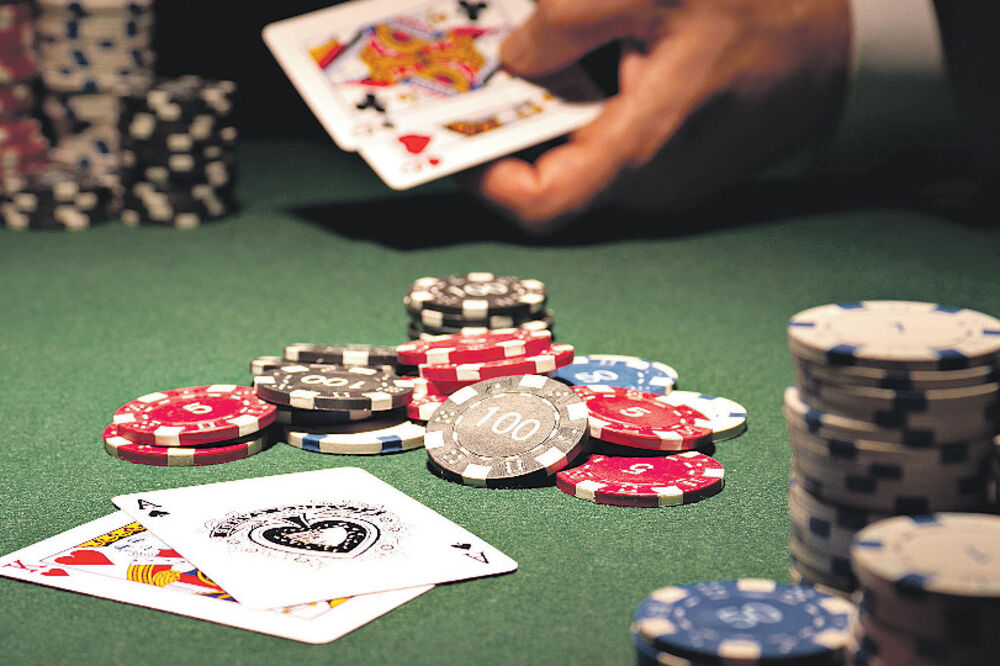
Understanding ToonieBet’s Responsible Gaming Practices
ToonieBet recognizes the importance of understanding the psychological triggers behind gambling behavior and is committed to promoting responsible gaming practices. With a focus on providing a safe environment, ToonieBet offers resources and tools to help players recognize and manage their gambling habits. By encouraging self-awareness, players can make informed decisions and set limits that align with their personal comfort levels.
Furthermore, ToonieBet provides educational materials that delve into the psychology of gambling, helping players understand the factors that contribute to their behavior. These resources are designed to foster a better understanding of the emotional and social influences on gambling, empowering individuals to make healthier choices. By prioritizing player welfare, ToonieBet ensures a more balanced approach to gaming that emphasizes fun while minimizing risks.
Additionally, ToonieBet’s commitment to responsible gaming extends to offering support for those who may struggle with gambling addiction. Through various initiatives, players can access help and guidance, ensuring that the gaming experience remains enjoyable and safe. By promoting awareness and understanding of gambling behavior, ToonieBet aims to create a community where responsible gaming thrives, allowing players to enjoy their time without compromising their wellbeing.
